People → Process → Product: Leaders as Mechanics, Not Race Car Drivers
When creative leaders approach the day-to-day with intention, the work becomes more than just a never-ending to-do list. It becomes a chance to build a stronger, more sustainable creative engine. This post explores how focusing on people and process first can lead to better output, reduce burnout, and support a team that actually enjoys the work they do.
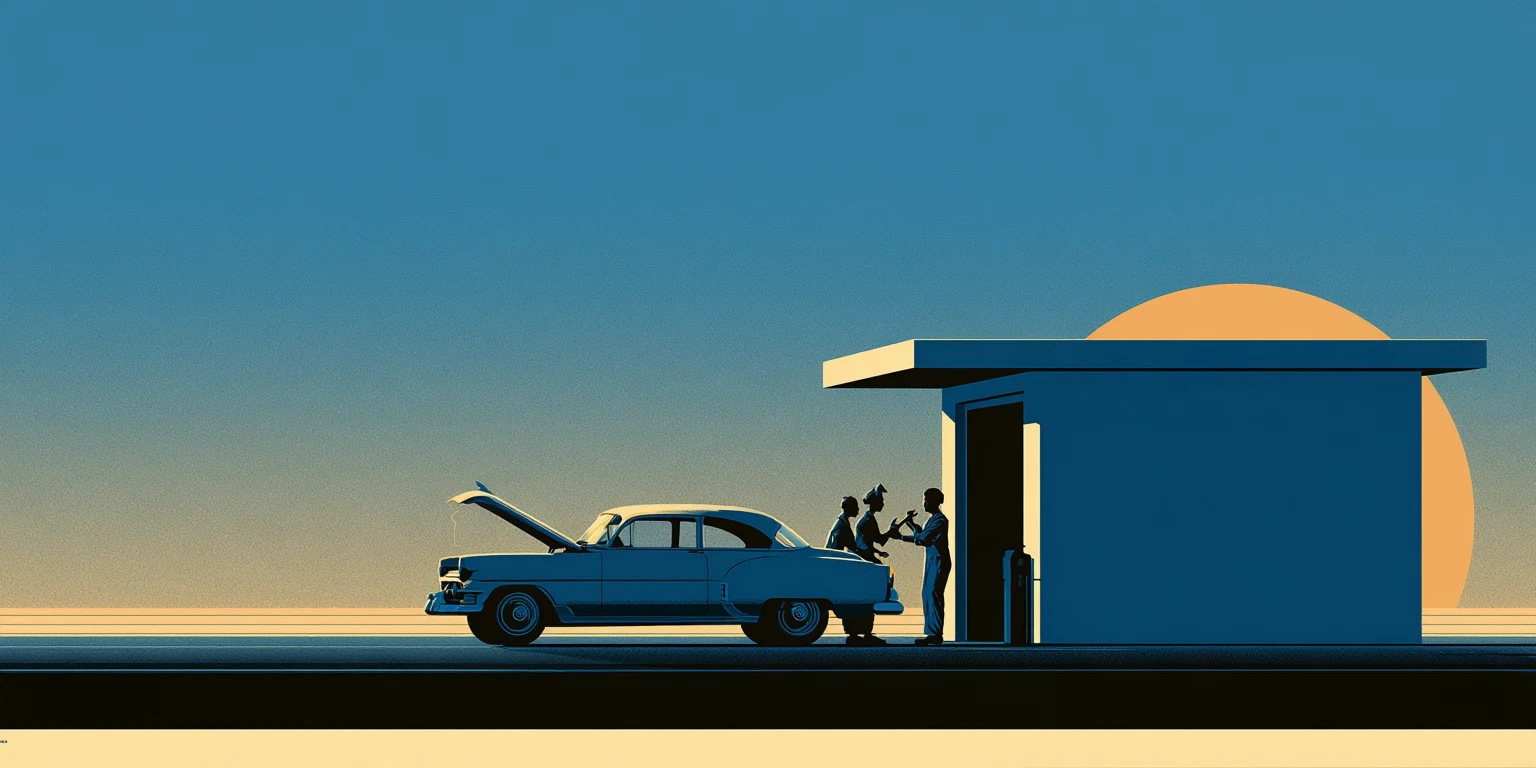
As a creative leader, it’s easy to fall into this trap.
The project requests keep coming. There’s always a new ticket in the queue or a new project to kick off. It can feel like you are jumping from one request to the next, grinding them out and struggling to keep up.
The creative engine keeps running, but over time, it starts to break down. Not because the work isn’t good, but because no engine can be expected to run indefinitely without a proper tune-up.
That’s the trap: becoming so focused on the final product that the people (or the engine of your creative team) start to suffer.
The tune-up isn’t about the work itself. It’s about aligning your team around a shared mission and set of values, and co-creating the processes needed to sustainably deliver high-quality work.
As a leader, your job isn’t to be the one driving the racecar. It’s to be the mechanic, tuning the engine with your team, so the engine performs at its best without burning out.
This means reframing how you lead. Start with the people. Then process. Then product.
One important note:
The work never stops. I get that, and I’m certainly not suggesting that you drop everything to make this shift happen. What I am suggesting is that you create intentional time with your team to:
- Build alignment on your shared mission, values, and team agreements (people).
- Co-create processes to support sustainable, high-quality output (process).
- Use the day-to-day work as your test track to refine those new processes in real-time (product).
I dug more into managing this balance in a previous blog post: Tend to Your CROPs: The Mindset That Keeps Creative Teams Energized.
“It’s about aligning your team around a shared mission and set of values, and co-creating the processes needed to sustainably deliver high-quality work.”
People → Process → Product. In that order.
This order matters. Each stage builds on the last. Skip one, and the whole system eventually starts to break down.
The daily requests of the business still need to be taken care of. Fire drills will happen, requests will continue flowing in, and projects will need to be shipped. That’s normal. Your job as the leader facilitating this process is to create intentional time for your team to build this foundation while the work continues. Finish one phase before moving on to the next.
Here’s what each phase looks like at a high level:
-
People: Start here. This is the foundation of everything else.
- Mission & Values: Co-creating your team’s mission and values together enables your team to better understand the deeper why, or purpose, of the work they do. This helps the team see where they strategically align with the success of the business and understand that their value is more than just closing out tickets.
- Crafting Team Agreements: These are not project processes. This is how your team works together. This is where you uncover communication norms and working preferences. This is about uncovering the ways we all prefer to work so we don’t unintentionally annoy each other 😉.
-
Process: These are the systems that allow your team to scale work more consistently and sustainably.
Once the team has shared alignment on the why and how of the team, it’s time to move into the phase where we co-create the systems and rituals that help the team deliver high-quality work without burning out.
- Check out this earlier post for a deeper dive into building strong creative operations.
-
Product: This is the outcome. It is determined by the strength of the first two phases in the framework.
Now that the team is aligned and has the proper systems in place, the work not only improves but also gets easier to consistently deliver.
- The team doesn’t step on each other’s toes or burn their creative energy in being in a constant state of hyper reactivity.
- How do you know you’ve nailed the people and process stages? This stage will start to feel like it’s taking care of itself.
“The only way to know if everything you and your team are building together is working is to take it out on the track.”
The Wrap Up
In the 2019 film Ford v Ferrari (opens in a new tab), Christian Bale plays the English race car driver Ken Miles. A mechanic and race car driver tasked with building a car to beat Ferrari at The 24 Hours of Le Mans.
Throughout the film, Ken is seen going from tuning the car in the shop to testing it on the track. After each test, Ken would rattle off all the things that still need to be fixed and fine-tuned to improve the car’s performance. Things that once were thought to be essential were now stripped away. He would work in concert with his team of mechanics to continue to refine and improve the car.
Which leads to the mindset I want you to take from this post:
Even the best race cars need to go into the shop between races.
As a creative leader, you’re building a high-performance engine for speed, consistency, and quality. The only way to know if everything you and your team are building together is working is to take it out on the track.
The day-to-day work, the fire drills, and last-minute requests are your test track. It’s understandable to feel torn about implementing these foundational elements while also managing the needs of the business. Remember, that isn’t a distraction from tuning the engine. It is the tuning.
The work will always be there; it’s up to you how you want to approach it. Do you just want to drive the car until it breaks down or regularly get under the hood with your team to make it never does?
Just like Ken Miles, you aren’t doing it alone. You build, test, and improve it all with your team. Not just for them.
Because a creative engine isn’t simply a matter of speed. It’s about staying in the race.
Have any questions or want to chat more about this mindset?
Feel free to reach out to me at chrispizzodesign@gmail.com